
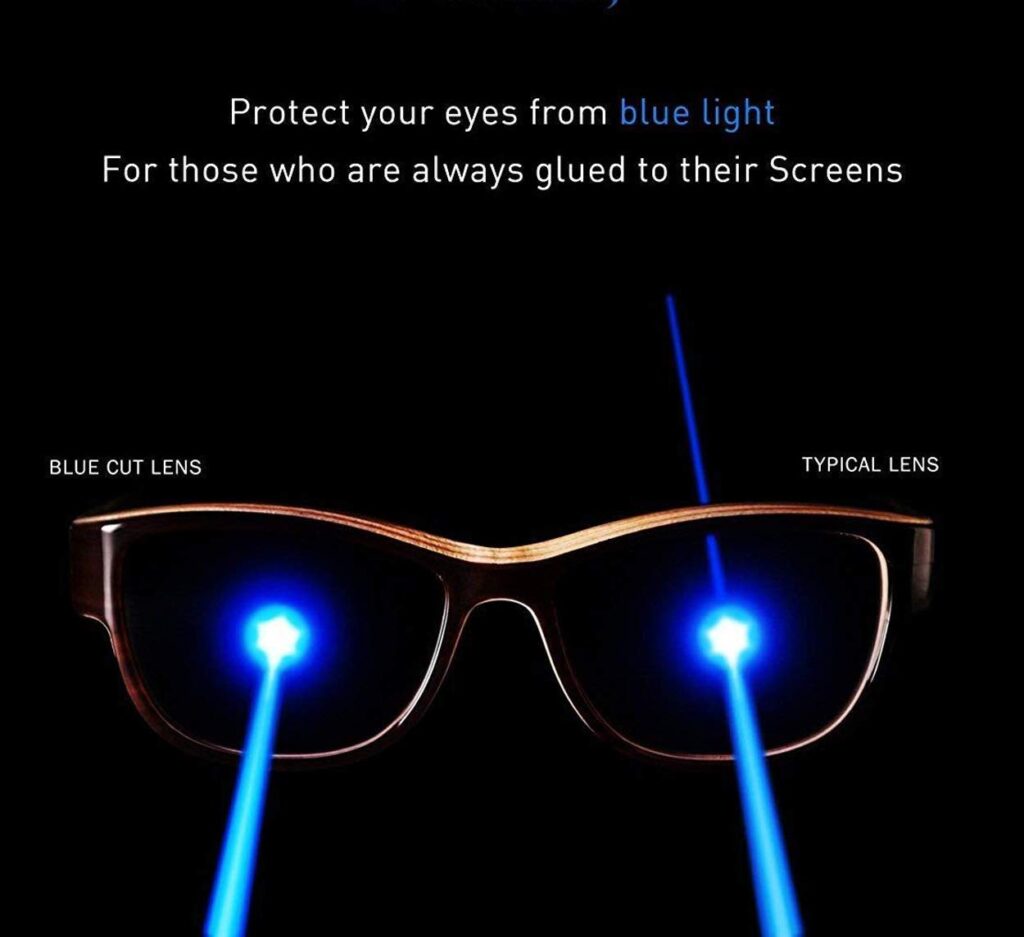
Blue-Light Blocking Glasses: Do They Really Protect Your Eyes?
In today’s digital age, where screens rule our work, study, and entertainment time, blue-light blocking glasses have become one of the most talked-about eyewear trends. But the big question remains:
Do they actually protect your eyes — or are they just another eyewear fad?
What Is Blue Light — Really?
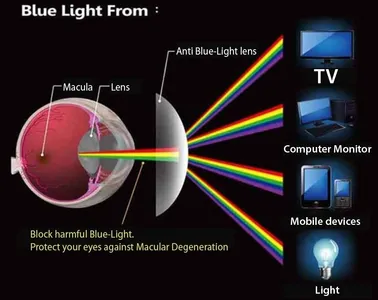
Blue light is a high-energy visible (HEV) light with short wavelengths that comes from sunlight, screens (phones, laptops, TVs), and LED lighting. While the sun is the biggest source, the blue light from screens is much weaker.
The idea is that wearing glasses that filter blue light could reduce eye strain, protect eye health, and even improve sleep.
Do Blue-Light Glasses Prevent Eye Damage?
✔️ Limited scientific evidence:
Most high-quality studies have found no strong proof that blue-light glasses prevent eye strain, improve visual performance, or protect eye health in people who use screens daily.
✔️ No proven long-term benefit:
Major eye care organizations, like the American Academy of Ophthalmology, do not recommend blue-light glasses for general computer or screen use because research doesn’t show clear benefits.
✔️ Minimal blue light from screens:
The amount of blue light emitted by digital devices is far lower than sunlight — and not enough to damage your retina directly.
What About Digital Eye Strain?
Many people report symptoms like tired eyes, dryness, and headaches after long hours of screen time. However, these symptoms are more related to screen use habits — such as reduced blinking, improper screen distance, and poor lighting — rather than blue light itself.
Tips that truly help prevent eye strain:
Follow the 20-20-20 rule — every 20 minutes, look at something 20 feet away for 20 seconds.
Adjust screen brightness and contrast.
Take regular breaks and maintain good posture.
Sleep & Circadian Rhythm: The One Area With Some Promise
Blue light does affect your sleep cycle (circadian rhythm) by suppressing melatonin — a hormone that helps you fall asleep. Some smaller studies suggest that wearing blue-light glasses in the evening might improve sleep quality for people who use screens close to bedtime.
So, while glasses may help with sleep for some, this benefit is not guaranteed for everyone.
So Are They Worth It?
Pros:
May slightly improve sleep if used in the evening.
Some users feel more comfortable (possibly placebo effect).
Typically harmless to use.
Cons:
No strong evidence they protect eye health or reduce eye strain.
Can be more of a marketing trend than a medically-proven solution.
You might spend money without getting measurable results.
Final Verdict
Do blue-light blocking glasses protect your eyes?
Not in the way most brands claim — i.e., they won’t prevent eye damage or drastically reduce screen-induced strain.
Are they harmful?
No — they’re safe to wear. But relying solely on them without healthy screen habits isn’t enough.
For real eye comfort, focus on good screen use practices and regular eye check-ups.
If sleep disruption late at night bothers you, consider using blue-light glasses only in the evening, or simply use your device’s built-in blue light filter (like Night Mode) to reduce blue light before bed.