
claruseyewear

Uncategorized

Uncategorized

Eyewear Care 101: Tips to Keep Your Glasses Looking New

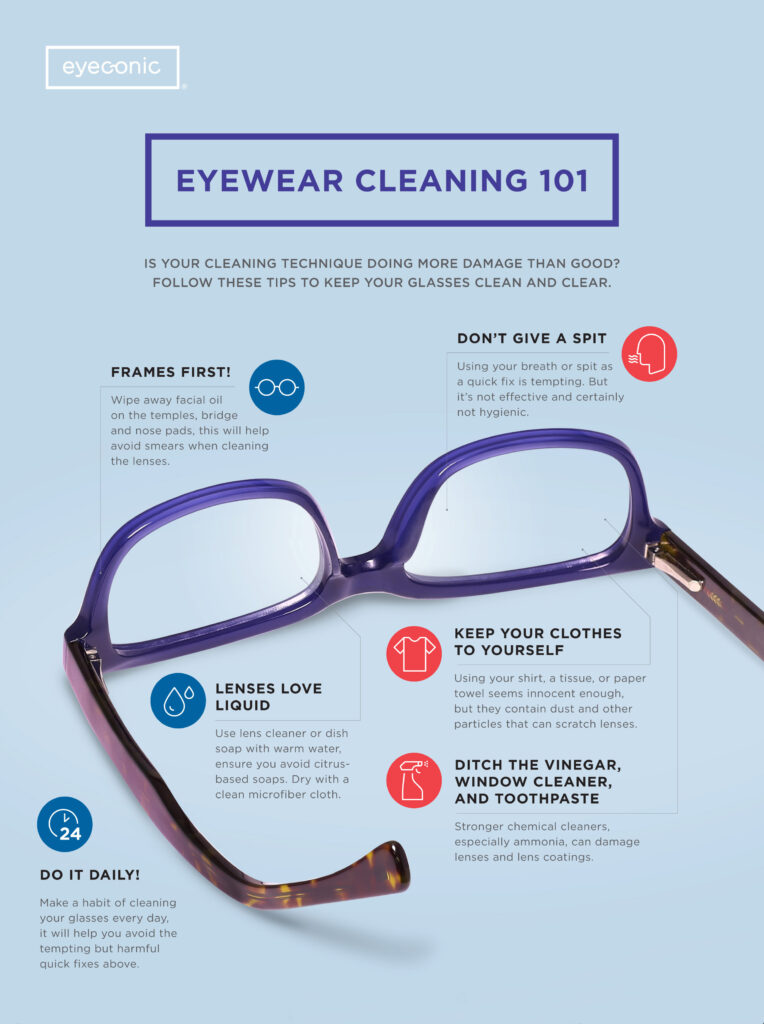
Your glasses go everywhere with you—on your face, in your bag, on your desk—so it’s no surprise they collect dust, fingerprints, and scratches over time. With the right care, however, your eyewear can look brand-new for years. Here’s a simple, practical guide to protect your glasses and extend their life. 1. Clean Your Glasses the Right Way Proper cleaning is the most important step in eyewear care. Do this: Rinse lenses with lukewarm water Use a mild liquid soap (no harsh chemicals) Dry with a microfiber cloth Avoid: Tissues, paper towels, or clothing Household cleaners like glass spray or alcohol These can scratch lenses or damage lens coatings. 2. Always Use Both Hands Taking off your glasses with one hand may feel convenient, but it slowly bends the frame. ✔️ Use both hands when removing or wearing your glasses to keep them properly aligned and comfortable. 3. Store Them in a Protective Case Never leave your glasses loose in a bag or on a table. Best practice: Always store them in a hard case Keep lenses facing upward if placed on a surface   This simple habit prevents scratches, pressure damage, and accidental breaks. 4. Protect Glasses from Heat High temperatures can warp frames and damage lens coatings. Avoid leaving glasses: Inside a hot car Near heaters or kitchen stoves Under direct sunlight for long periods   Heat damage is often permanent and expensive to fix. 5. Use Only Approved Cleaning Products Use cleaners specifically designed for eyewear lenses. Lens sprays and wipes made for glasseAvoid ammonia, vinegar, or strong alcohol-based solutions   These chemicals can strip anti-reflective and blue-light coatings. 6. Check Screws and Fit Regularly Loose screws or misaligned frames can cause discomfort and lens damage. Tighten screws gently using a small screwdriver Visit an optician for professional adjustments when needed   Proper fit = better comfort + longer lifespan. 7. Remove Glasses During Physical Activities Sports, workouts, or heavy physical activity can damage your eyewear. Remove glasses or use sports eyewear when active.Never place glasses on your head—it stretches the frame 8. Keep a Spare Pair (If Possible) Having a backup pair reduces overuse and prevents panic if your main glasses get damaged. Especially useful for:   Prescription wearers Frequent travelers Office + outdoor users Final Thoughts Your eyewear is an investment in both vision and style. With small daily habits—proper cleaning, safe storage, and gentle handling—you can keep your glasses looking stylish, comfortable, and scratch-free for years. 👓 Take care of your glasses, and they’ll take care of your vision.
Uncategorized

How to Choose the Perfect Frames for Your Face Shape

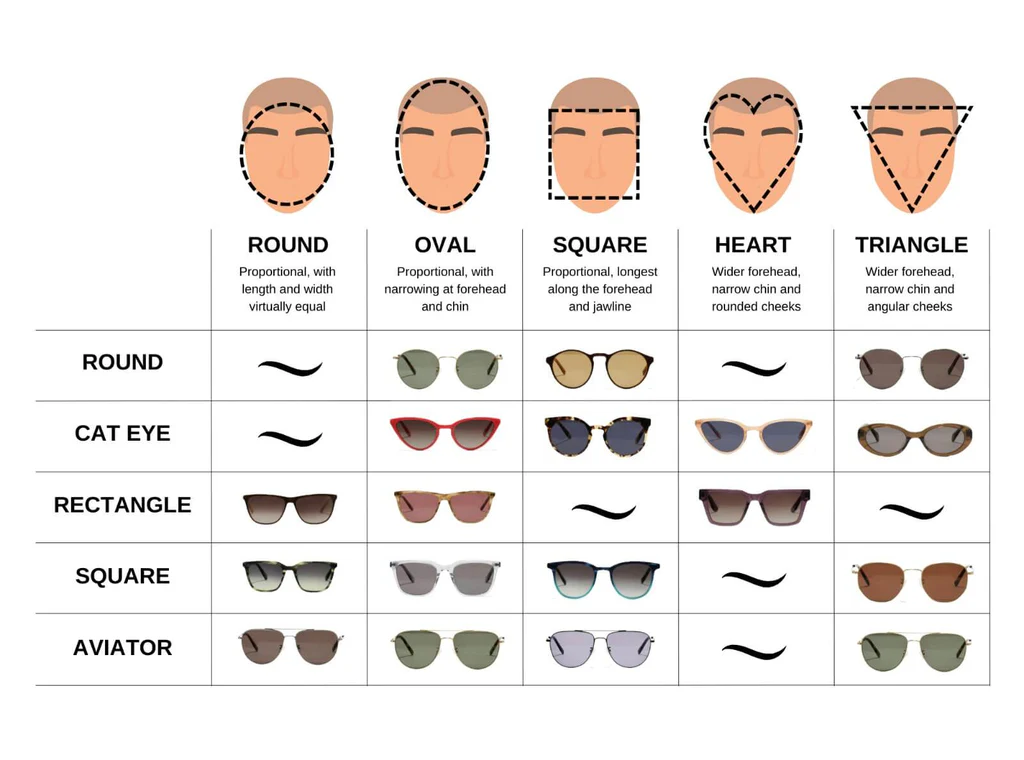
Choosing the right eyewear isn’t just about vision—it’s about balance, style, and confidence. The perfect frame can highlight your best features, while the wrong one can feel uncomfortable or out of place. Understanding your face shape is the easiest way to find frames that truly suit you. Let’s break it down in a simple, no-confusion way. Step 1: Identify Your Face Shape Stand in front of a mirror and observe the width of your forehead, cheekbones, and jawline. Most faces fall into one of these categories: Round Oval Square Heart Diamond Round Face Shape Features: Soft curves, fuller cheeks, equal width and length. Best Frames: Rectangular or square frames Angular or geometric styles Oversized frames Why it works:Sharp angles add definition and make the face appear slimmer. Avoid: Small round frames—they exaggerate roundness. Oval Face Shape Features: Balanced proportions, slightly longer than wide. Best Frames: Almost all styles work! Square, rectangular, or oversized frames Bold or statement frames Why it works:An oval face is naturally balanced, so you can experiment freely. Avoid: Frames that are too large or too small for your face. Square Face Shape Features: Strong jawline, broad forehead, sharp angles. Best Frames: Round or oval frames Thin metal frames Rimless or soft curves Why it works:Rounded frames soften sharp facial features and add balance. Avoid: Boxy or square frames—they make the face look harsher. Heart Face Shape Features: Wide forehead, narrow chin, prominent cheekbones. Best Frames: Aviators Round or oval frames Light-colored or rimless frames Why it works:These styles balance the wider upper face and draw attention downward. Avoid: Heavy top-frame designs or very wide frames. Diamond Face Shape Features: Narrow forehead and chin, wide cheekbones. Best Frames: Cat-eye frames Oval or rimless frames Frames with detailing on the top Why it works:These styles highlight cheekbones while softening angles. Avoid: Narrow frames that make the face look longer. Extra Tips Before You Buy   Skin Tone Matters: Warm tones → gold, brown, tortoiseshell Cool tones → silver, black, grey Lifestyle Check: Daily wear → lightweight, comfortable frames Fashion-focused → bold or statement styles Comfort First:Your glasses should sit comfortably on your nose and ears—style means nothing without comfort.

Uncategorized

Blue-Light Blocking Glasses: Do They Really Protect Your Eyes?

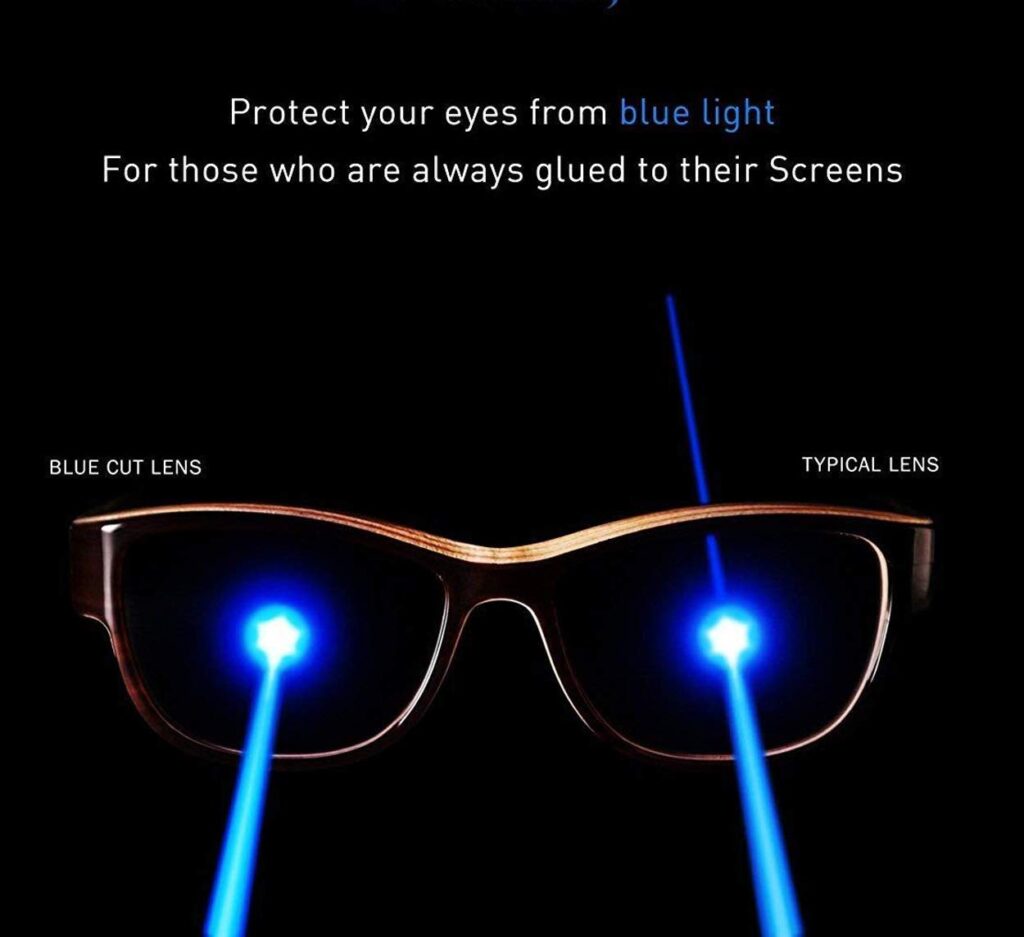
Blue-Light Blocking Glasses: Do They Really Protect Your Eyes? In today’s digital age, where screens rule our work, study, and entertainment time, blue-light blocking glasses have become one of the most talked-about eyewear trends. But the big question remains:  Do they actually protect your eyes — or are they just another eyewear fad? What Is Blue Light — Really? Blue light is a high-energy visible (HEV) light with short wavelengths that comes from sunlight, screens (phones, laptops, TVs), and LED lighting. While the sun is the biggest source, the blue light from screens is much weaker. The idea is that wearing glasses that filter blue light could reduce eye strain, protect eye health, and even improve sleep. Do Blue-Light Glasses Prevent Eye Damage? ✔️ Limited scientific evidence:Most high-quality studies have found no strong proof that blue-light glasses prevent eye strain, improve visual performance, or protect eye health in people who use screens daily. ✔️ No proven long-term benefit:Major eye care organizations, like the American Academy of Ophthalmology, do not recommend blue-light glasses for general computer or screen use because research doesn’t show clear benefits. ✔️ Minimal blue light from screens:The amount of blue light emitted by digital devices is far lower than sunlight — and not enough to damage your retina directly. What About Digital Eye Strain? Many people report symptoms like tired eyes, dryness, and headaches after long hours of screen time. However, these symptoms are more related to screen use habits — such as reduced blinking, improper screen distance, and poor lighting — rather than blue light itself. Tips that truly help prevent eye strain:   Follow the 20-20-20 rule — every 20 minutes, look at something 20 feet away for 20 seconds. Adjust screen brightness and contrast. Take regular breaks and maintain good posture. Sleep & Circadian Rhythm: The One Area With Some Promise Blue light does affect your sleep cycle (circadian rhythm) by suppressing melatonin — a hormone that helps you fall asleep. Some smaller studies suggest that wearing blue-light glasses in the evening might improve sleep quality for people who use screens close to bedtime. So, while glasses may help with sleep for some, this benefit is not guaranteed for everyone. So Are They Worth It? Pros: May slightly improve sleep if used in the evening. Some users feel more comfortable (possibly placebo effect). Typically harmless to use. Cons: No strong evidence they protect eye health or reduce eye strain. Can be more of a marketing trend than a medically-proven solution. You might spend money without getting measurable results. Final Verdict Do blue-light blocking glasses protect your eyes?Not in the way most brands claim — i.e., they won’t prevent eye damage or drastically reduce screen-induced strain. Are they harmful?No — they’re safe to wear. But relying solely on them without healthy screen habits isn’t enough. For real eye comfort, focus on good screen use practices and regular eye check-ups.   If sleep disruption late at night bothers you, consider using blue-light glasses only in the evening, or simply use your device’s built-in blue light filter (like Night Mode) to reduce blue light before bed.

Scroll to Top